Rovinj rises gently from the Adriatic, with her pastel houses clustered around a small harbour. Once separated as an island, it still feels compact and intimate, and the old town has a calm charm that is easy to enjoy at your own pace.
The cobbled lanes lead upwards through small squares, quiet courtyards and local galleries. The church of St Euphemia sits above the town, and the climb up is rewarded with wide views across the sea and nearby islands, particularly in soft evening light.
Along the waterfront, life moves slowly with swimming spots dotted along the rocky edge, and Zlatni Rt forest park just outside town offers shaded paths for walking or cycling.
The Brijuni Islands are a national park where nature and history sit side by side. Veliki Brijun, the largest island, is the main focus, with gentle paths, open parkland and peaceful anchorages that encourage you to explore in a relaxed manner.
There is a surprising amount to discover, including Roman villas and mosaics, early Christian sites, and dinosaur footprints along the shoreline. Brijuni also has a more modern chapter, as it became the summer residence of President Tito, and parts of that period can still be visited.
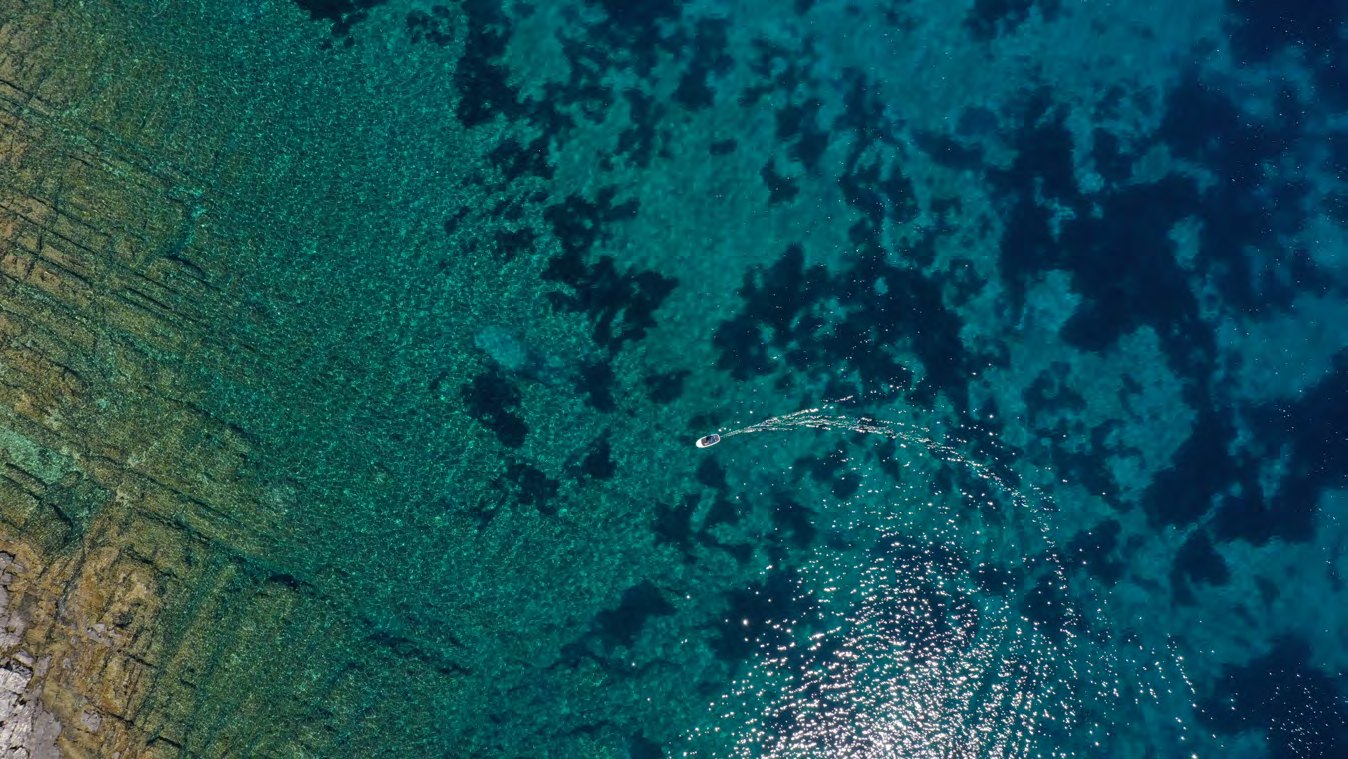
Today the islands feel calm and open, and many guests enjoy cycling through the pine trees and meadows, and taking time to explore the coastline. The surrounding sea is beautifully clear and the overall atmosphere is quiet and tranquil.
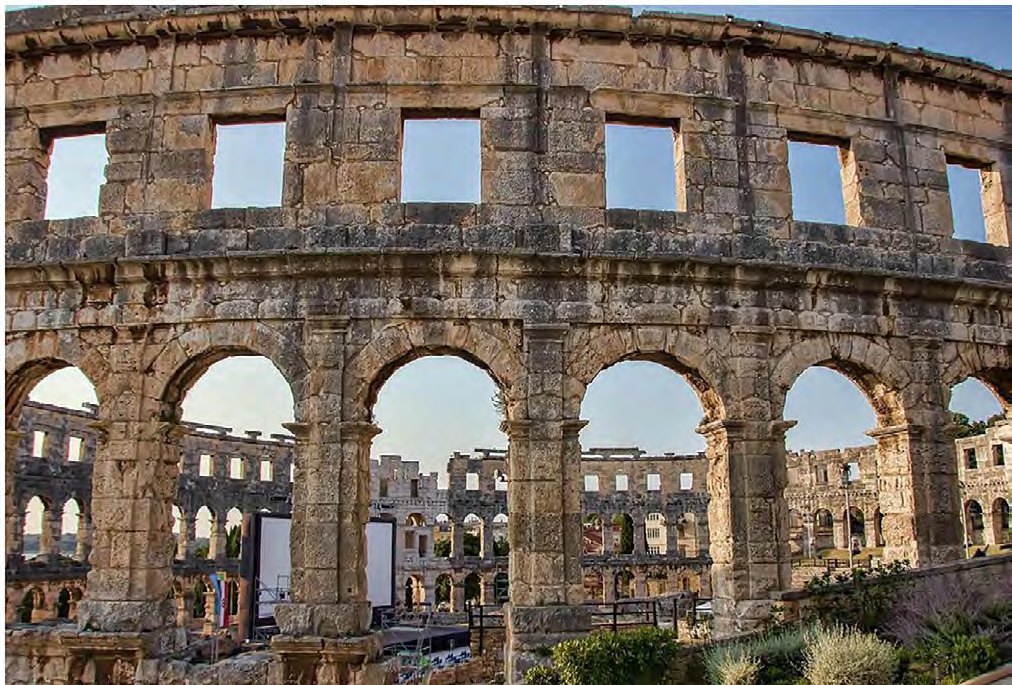
Pula is a city where the past feels close at hand. Its Roman Arena, built in the first century, is one of the best preserved amphitheatres in the world, and still hosts concerts and cultural events beneath the open sky. It is impressive even with a short visit and gives a clear sense of how important this coastline has been for centuries.
Beyond the Arena, you will find smaller Roman details woven into everyday life, including ancient gates, old stone streets, and the Temple of Augustus, which still stands in the main square. Beneath the city, the Zerostrasse tunnels offer another perspective on Pula’s story, and their atmosphere is quite striking.
If you enjoy the outdoors, the coastline around Pula is well suited to gentle walks and cycling, with rocky shores and pine woodland close to the sea. The water is often clear and inviting, and there are many places nearby for swimming or exploring by tender.
Losinj has long been linked with wellbeing and became known as a health destination in the 19th century thanks to its mild climate, pine forests and clean air, and it still feels fresh and restorative.
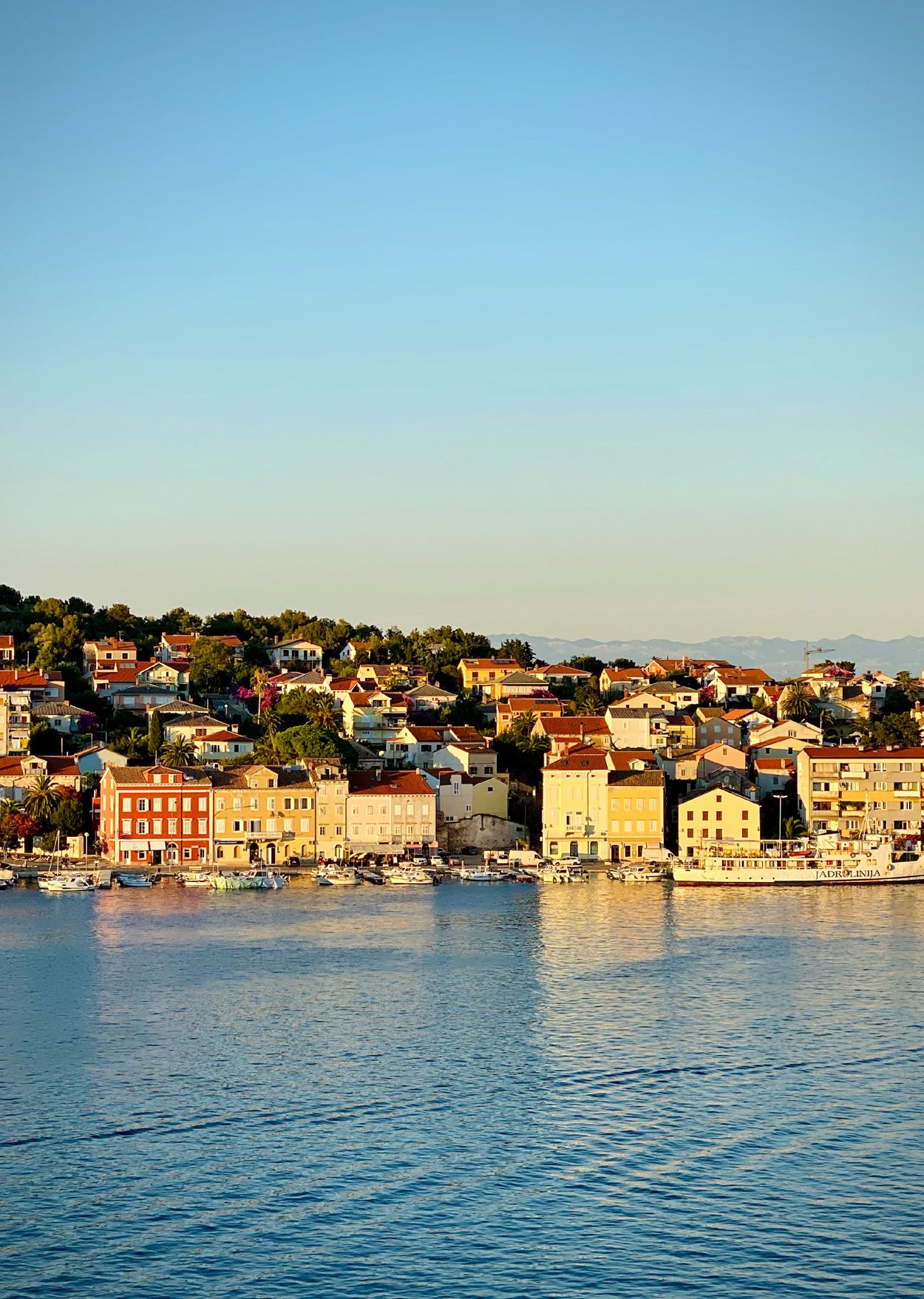
Mali Losinj, the main harbour town, curves around a large natural bay which is lined with colourful facades and old sea captains’ houses. It is lively without being too busy, and the waterfront is ideal for a relaxed stroll. The Museum of Apoxyomenos is also worth visiting, built around an ancient Greek bronze statue recovered from the sea.
The waters around Losinj are famously clear and rich in marine life, and dolphins are often seen offshore. Losinj offers a pleasing mix of harbour life, walking trails and quiet coves, with plenty of options whether you want to be active or relaxed.
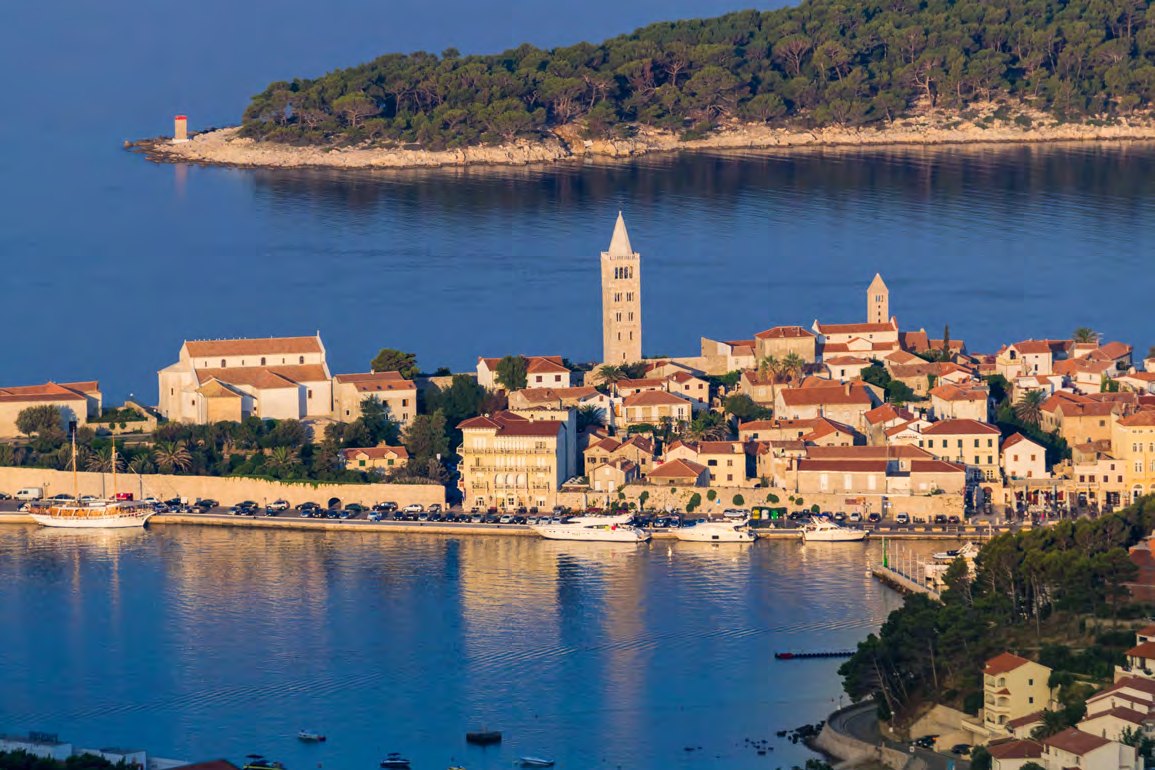
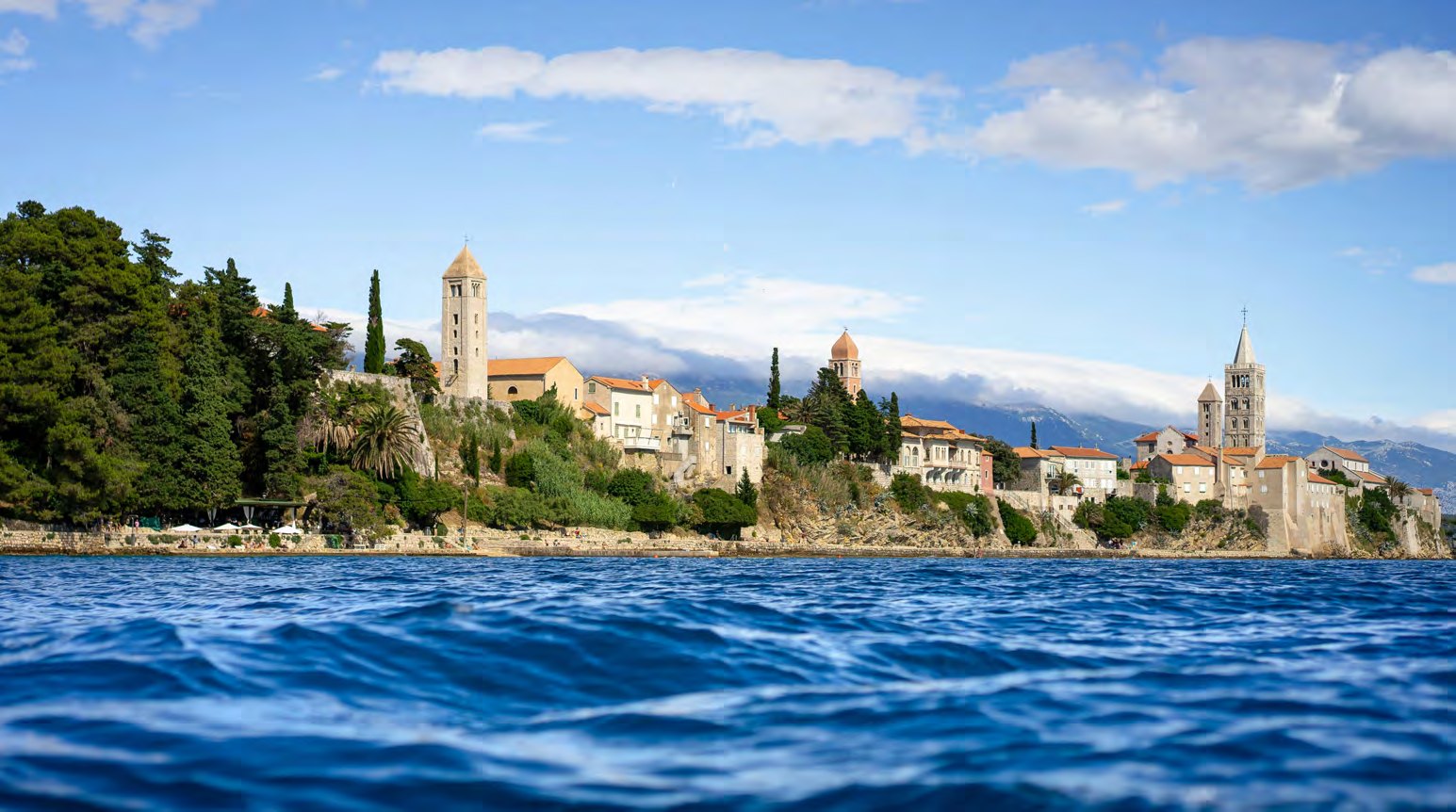
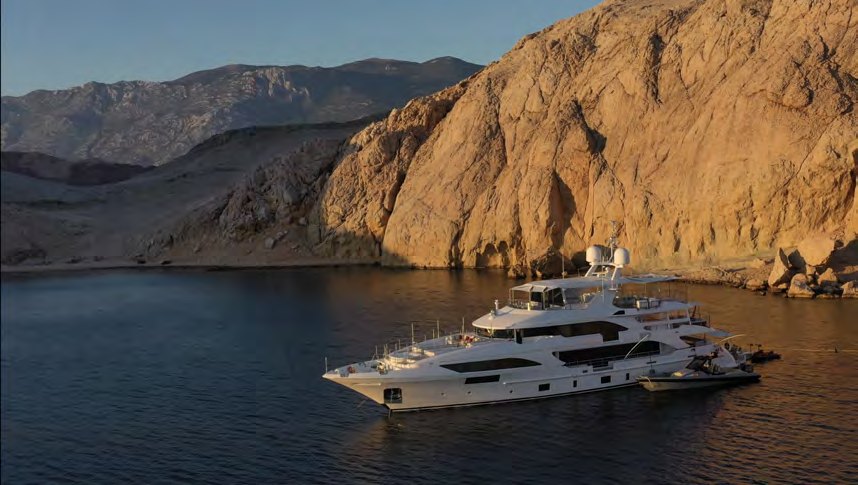
As you approach the island of Pag, you may be struck by its stark, almost lunar landscape. Its pale, sculpted terrain has been shaped over time by fierce ‘bura’ winds and sea salt carried in on the air. Rugged and open, its dramatic simplicity is a large part of its appeal.
Along the coastline, you will find hidden coves that suit swimming and snorkelling, while inland paths cross terrain marked by dry stone walls and low shrubs. Pag town has a quiet elegance, and the island’s lace making tradition remains a point of local pride.
Pag is also known for Paski sir, the island’s sheep’s cheese, shaped by the salt infused grazing lands. In summer, cultural events and local celebrations bring extra life to the island. Pag has a strong identity and it tends to be memorable.
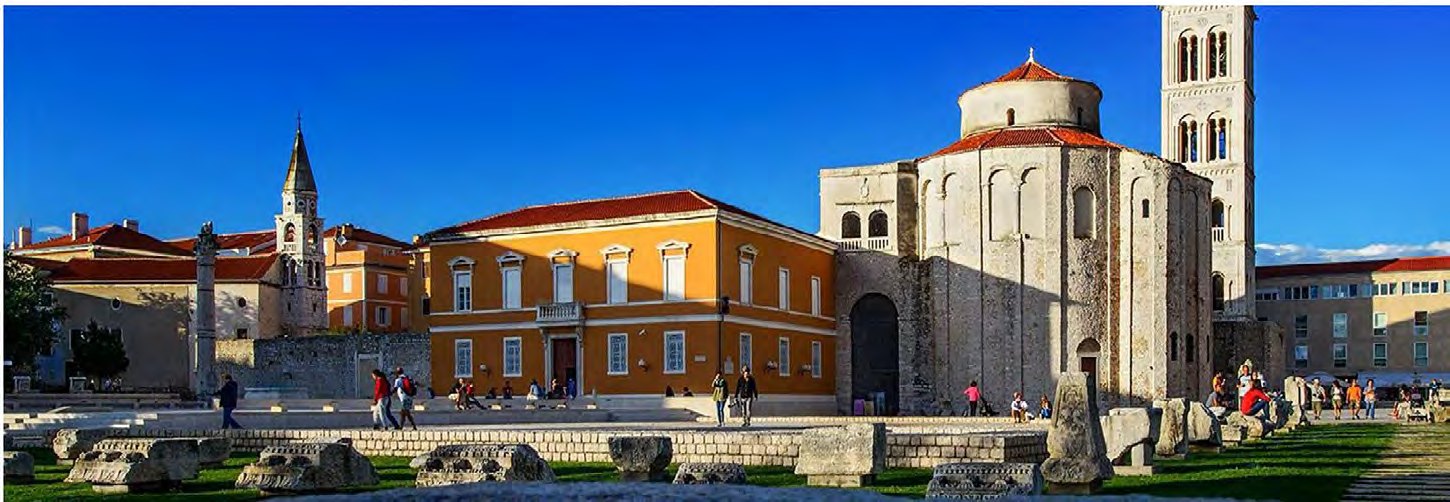
Zadar brings together layers of history with an easy coastal atmosphere. Roman forums, medieval churches and Venetian walls sit naturally within a city that still feels lived in and connected to the sea.
The waterfront is one of her highlights, where the famous Sea Organ turns the movement of the waves into sound, and the Sun Salutation installation comes alive in the evening. Nearby, the Roman Forum and the Church of St Donatus are easy to visit by a short walk through the old town.
Zadar also works well as a gateway to the islands of northern Dalmatia. The centre is compact and pleasant to explore on foot, and the pace is especially enjoyable early in the morning and later in the day.
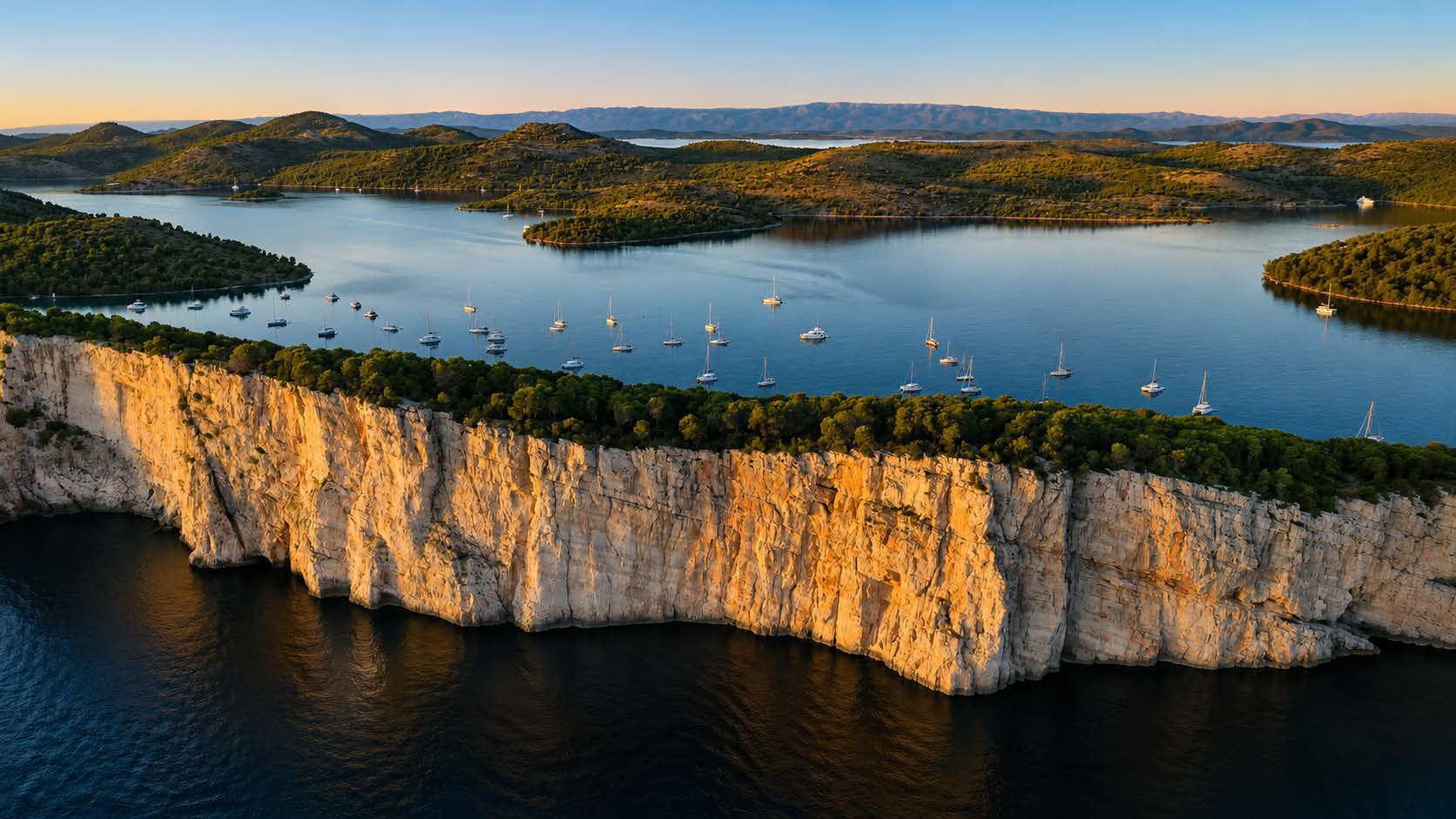
Telascica Nature Park is full of contrasts. On one side, dramatic cliffs drop into the open Adriatic, and on the other, a deeply indented bay provides calm, sheltered water that is ideal for anchoring and swimming.
A short walk inland leads to Lake Mir, a saltwater lake separated from the sea by a narrow strip of land. The routes between the bay, the lake and the cliffs offer wonderful views, and the landscape feels remote and protected.
Because of its geography, Telascica is considered one of the safest natural harbours on the eastern Adriatic. It is a place that encourages a slower pace, with quiet coves, clear water and very little to distract from her stunning scenery.
The Kornati archipelago is a landscape of raw beauty. Here more than a hundred islands and islets rise from dark turquoise water, much of it protected as a National Park. The scenery is minimal, defined by pale rock, open horizon and exceptionally clear sea.
Many of the islands are uninhabited, creating a profound sense of space and tranquillity. The water clarity makes it ideal for snorkelling and diving, and the sheltered bays provide excellent anchorages for a peaceful stop.
For those who enjoy viewpoints, the higher ground on some islands offers long views across the archipelago. Kornati is often less about doing and more about simply being in the setting.
Skradin sits where the Krka River flows towards the sea and enjoys a relaxed waterfront atmosphere. It is best known as the gateway to Krka National Park, where you will find waterfalls cascading over limestone terraces in a lush river landscape.
The journey upriver is part of the experience, with greenery, clear pools and walkways that bring you close to the water. Skradinski Buk is the best-known area, with a series of waterfalls and easy routes to explore through the park.
Back in Skradin, the town itself is charming and understated. Nearby Sibenik adds cultural depth, with its fortresses and cathedral offering a strong sense of Dalmatia’s layered history.